Casino carpet has long been a subject of fascination—and mockery. The notoriously garish patterns that defined Las Vegas floors for decades were actually sophisticated design solutions to unique operational challenges.
The Practical Origins
Early casino carpets featured wild, clashing patterns for purely practical reasons. Dark, busy designs hid the inevitable stains from spilled drinks, cigarette burns, and ground-in dirt. In 24-hour operations where deep cleaning was difficult, camouflage was essential.
The Psychological Theory
Industry lore held that busy carpets also served psychological purposes: the overwhelming patterns kept players' eyes up and focused on the machines rather than down at their feet. Whether this actually affected gambling behavior remains debated, but the theory persisted.
The Aesthetic Shift
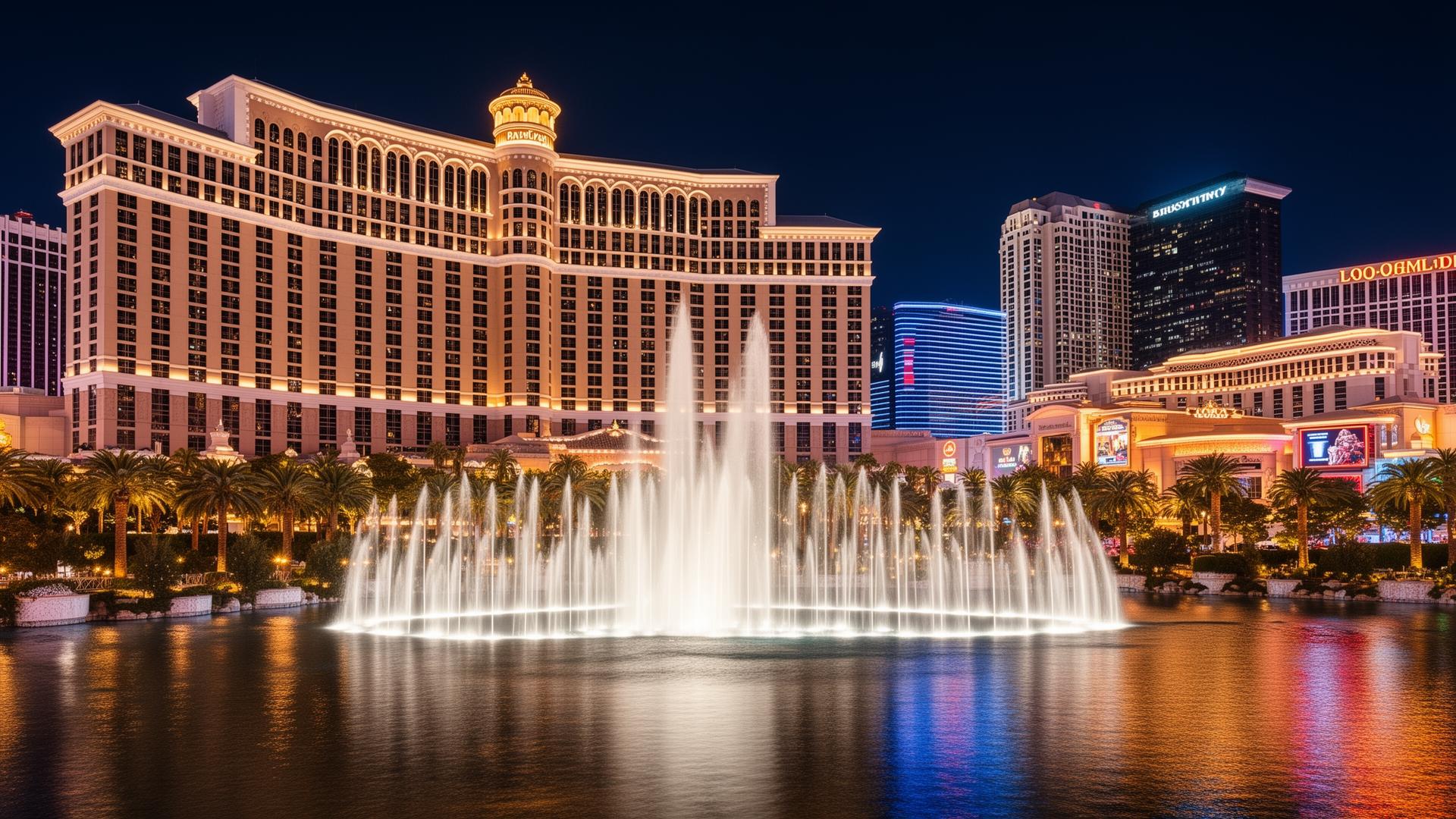
As Las Vegas pursued the high-end market in the 1990s and 2000s, carpet aesthetics evolved dramatically. The Bellagio introduced elegant, subdued patterns more appropriate to a luxury hotel. The garish tradition was deliberately abandoned as resorts repositioned upmarket.
The Modern Approach
Today's casino carpets balance durability, aesthetics, and brand identity. Custom patterns incorporate subtle logos and design motifs. Advanced materials resist staining without requiring aggressive patterns. The era of deliberately ugly casino carpet is largely over—though nostalgic examples remain in older downtown properties.