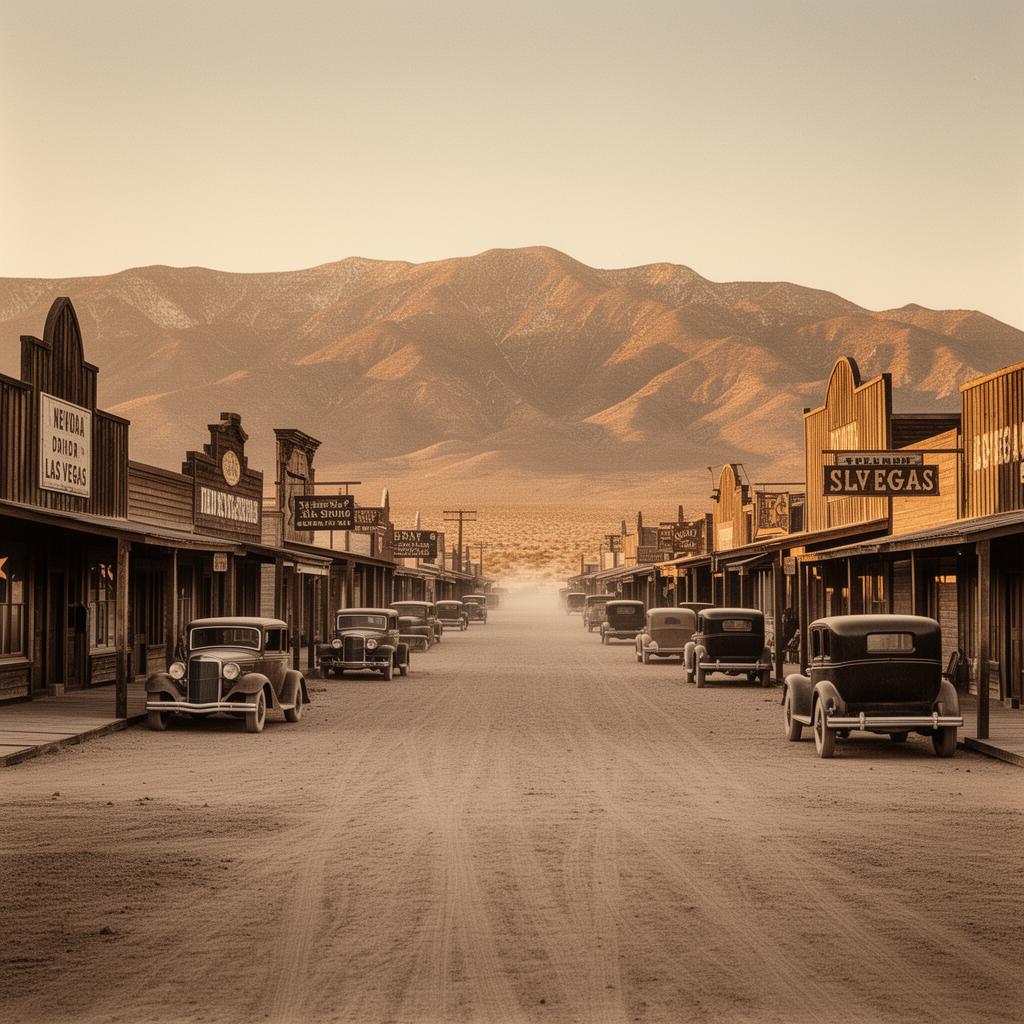
Between 1905 and 1931, Las Vegas transitioned from a raw railroad settlement with legal gambling to a city of underground vice. Following the 1910 "Midnight Law," which banned banking games, gambling shifted to the illicit "Block 16" district and disguised backrooms.
The Railroad Origins
Las Vegas was founded in 1905 as a railroad town, a watering stop on the San Pedro, Los Angeles & Salt Lake Railroad. The original townsite auction attracted speculators and settlers alike, drawn by the promise of the American West. In these early years, gambling was legal and openly practiced in saloons and hotels.
The 1910 Ban
Nevada's Progressive Era reformers succeeded in banning most forms of gambling in 1910, part of a nationwide wave of anti-vice legislation. The "Midnight Law" prohibited banking games like faro, blackjack, and roulette—though it notably left poker (a "social game") legal. This half-measure simply drove gambling underground.
Block 16: The Vice District
The city designated Block 16 as a tolerance zone where gambling, prostitution, and (during Prohibition) bootlegging operated openly. Rather than suppressing these activities, local authorities taxed them through periodic "fines," which funded municipal infrastructure. This pragmatic arrangement established Las Vegas's early reputation as a town that accommodated human appetites.
The Road to Re-Legalization
By the late 1920s, the combination of the Great Depression, the impending Hoover Dam construction, and the obvious failure of prohibition created pressure for re-legalization. The era of underground vice was ending, and the modern casino industry was about to begin.