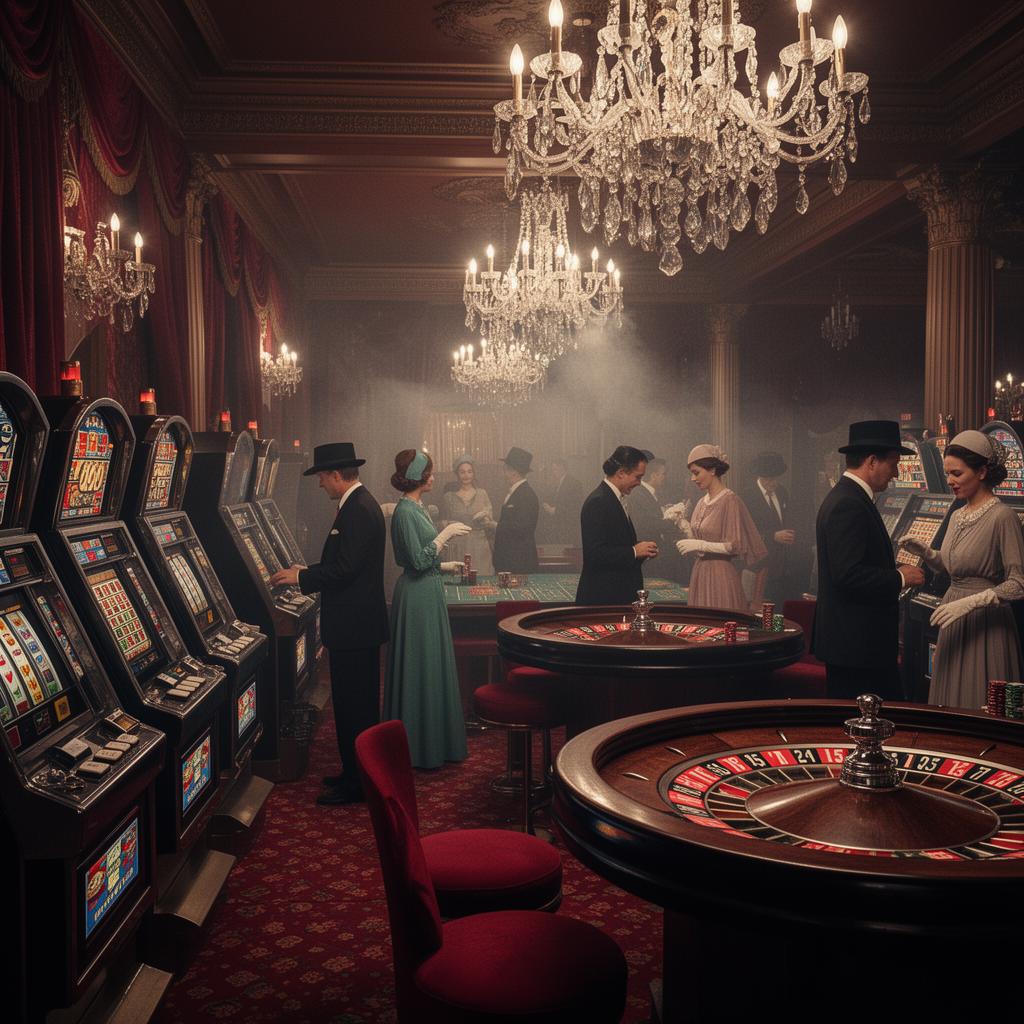
Between 1945 and the early 1970s, organized crime figures transformed Las Vegas from a dusty desert outpost into America's premier gambling destination. This era established the template for casino hospitality that persists today.
The Flamingo: Bugsy Siegel's Vision
In 1946, Benjamin "Bugsy" Siegel opened the Flamingo Hotel, financed by the mob but envisioning a new kind of resort. Unlike the sawdust joints on Fremont Street, the Flamingo offered Hollywood glamour: air conditioning, private bathrooms, and celebrity entertainment. Though Siegel was murdered in 1947 for cost overruns, his vision became the Strip's blueprint.
The Skimming Economy
The true innovation of mob-run casinos wasn't gambling—it was the "skim." Before gross revenues reached the counting room for tax purposes, cash was systematically diverted to mob families across the country. The Stardust alone was estimated to have skimmed millions annually, funding criminal enterprises from Kansas City to Chicago.
Labor Peace and Union Relations
Mob owners maintained smooth labor relations by conceding to union demands. The Culinary Workers Union gained unprecedented benefits during this era—not from altruism, but because strikes disrupted the skim. This created an ironic legacy: organized crime inadvertently established Las Vegas as one of America's most unionized cities.
The Beginning of the End
The 1960s brought increasing federal scrutiny. The Kefauver Committee had exposed mob ties in 1950-51, and the Nevada Gaming Control Board, established in 1955, began aggressively pursuing the "Black Book" policy. By 1967, the Corporate Gaming Act allowed publicly traded companies to hold licenses, providing legitimate capital to compete with mob financing. Howard Hughes' arrival in 1966 signaled the transition to a new era.