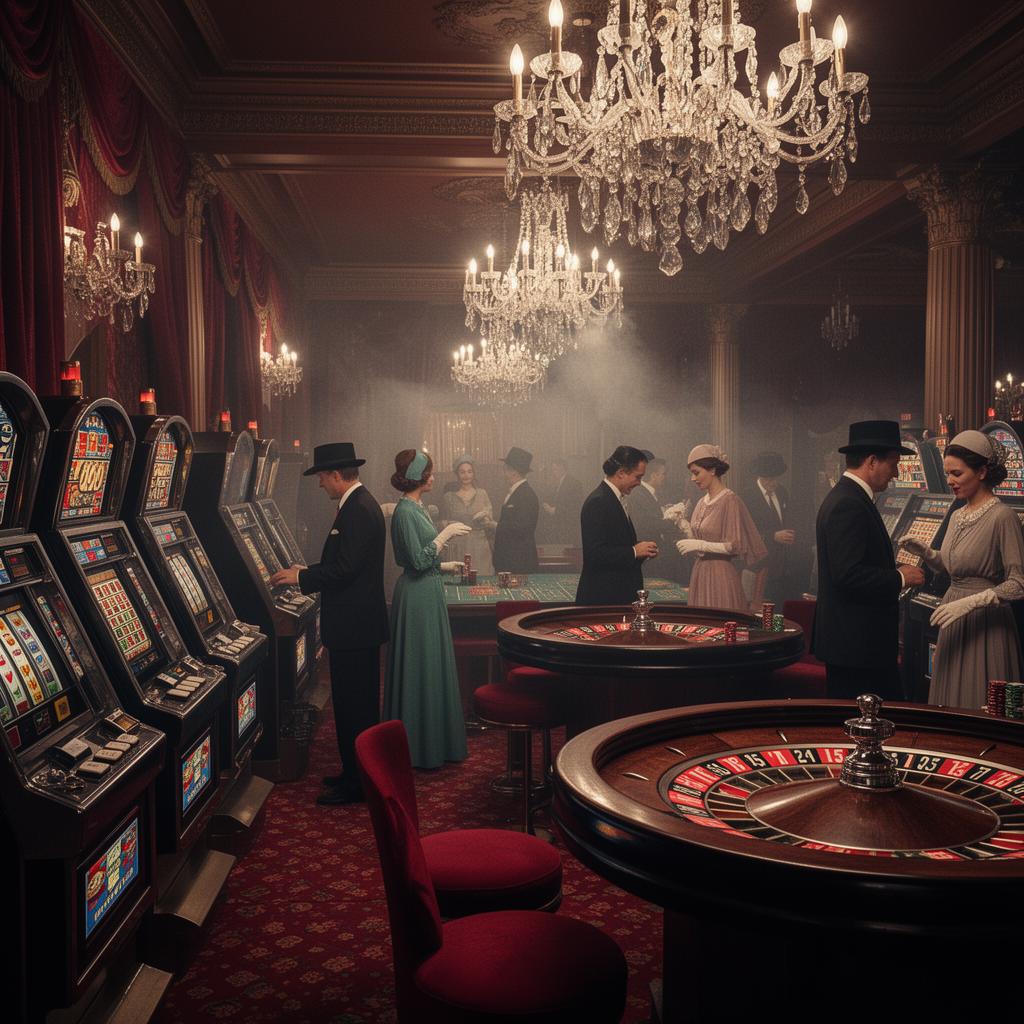
The transition from mob to corporate casino management wasn't just a change in ownership—it represented fundamentally different philosophies about customer service, employee relations, and the purpose of the gaming floor.
The Personal Touch
Mob-era casinos operated on relationships. Casino hosts knew high rollers by name, comped generously without committee approval, and resolved disputes on the spot. The goal was keeping customers happy and gambling—paperwork came second.
The Skim Incentive
Paradoxically, the skim created customer-friendly policies. Since profits were stolen before counting, operators had little incentive to nickel-and-dime guests. Free drinks, cheap steaks, and generous comps cost the IRS, not the owners.
The Corporate Model
Corporate casinos introduced accountability, metrics, and hierarchies. Decisions that a pit boss once made autonomously now required management approval. Customer service became systematized—more consistent but less flexible.
"In the old days, I could comp a dinner on the spot. Now I need three signatures and a profitability analysis."— Anonymous veteran host
The Revenue Imperative
Publicly traded companies answer to shareholders demanding quarterly growth. This creates pressure for resort fees, paid parking, and reduced comps—policies that maximize revenue but erode the generous culture that made Vegas famous.