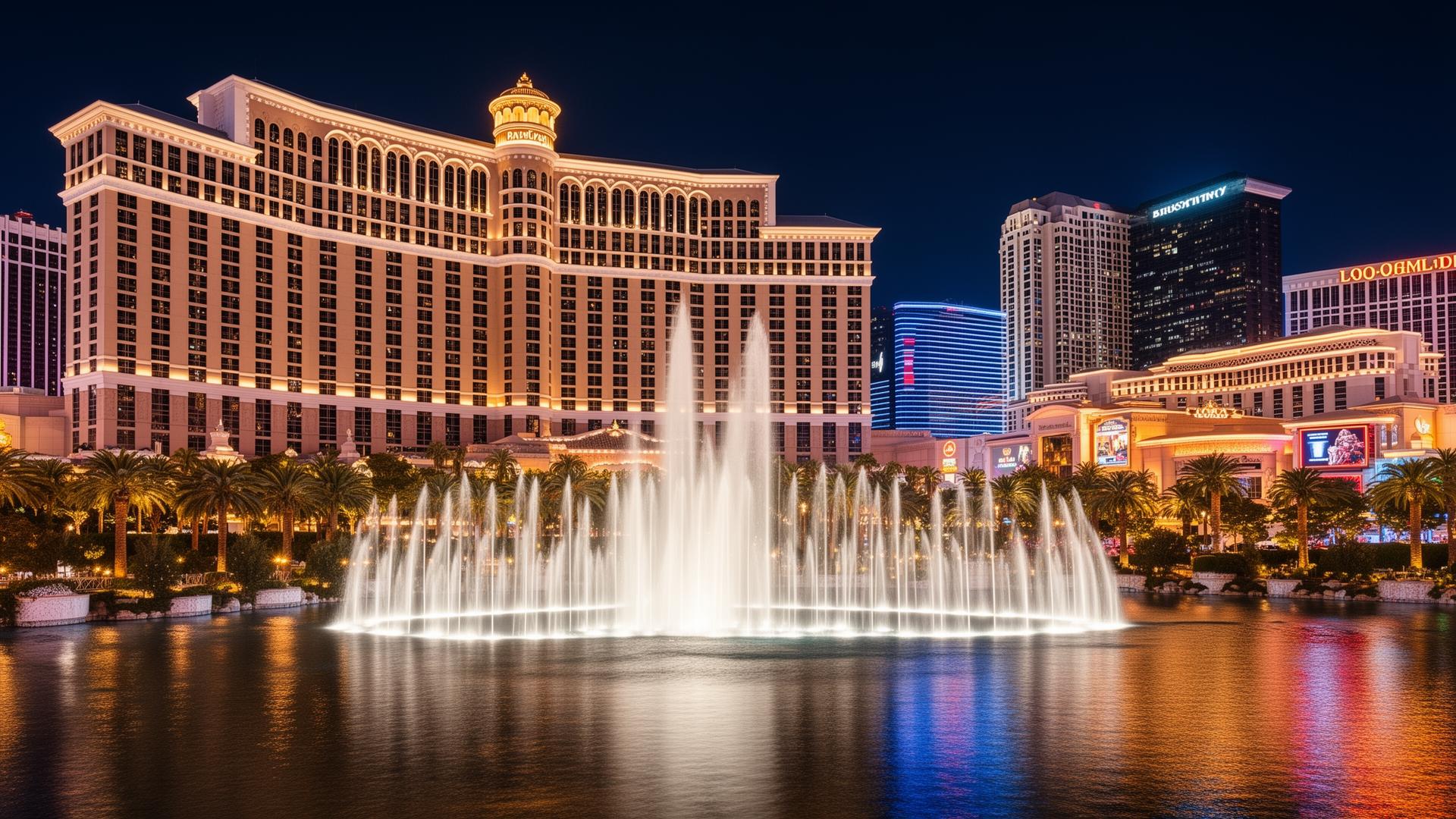
The architectural identity of the Las Vegas Strip has shifted from the "Disneyfication" of the 1990s—characterized by literal, narrative-based themes (Luxor, Excalibur)—to an era of De-Themed Luxury.
The Transition
This transition, pioneered by The Bellagio and solidified by CityCenter and The Cosmopolitan, replaces geographical simulacra with abstract modernism, glass facades, and high-art integration.
Economic Drivers
This shift is driven by economic imperatives: the dominance of non-gaming revenue (dining, nightlife, retail) requires sophisticated, neutral environments that appeal to high-end tenants and younger demographics, rather than rigid historical narratives that age poorly.
The Stripping of Themes
Consequently, operators are stripping facades (e.g., Treasure Island, Monte Carlo) to create flexible, "vibe-based" environments where the guest's experience, rather than a fabricated story, becomes the product.
The New Aesthetic
The modern Strip property looks more like a contemporary art museum than a theme park. The message is exclusivity and taste, not fantasy and escapism. Vegas grew up.