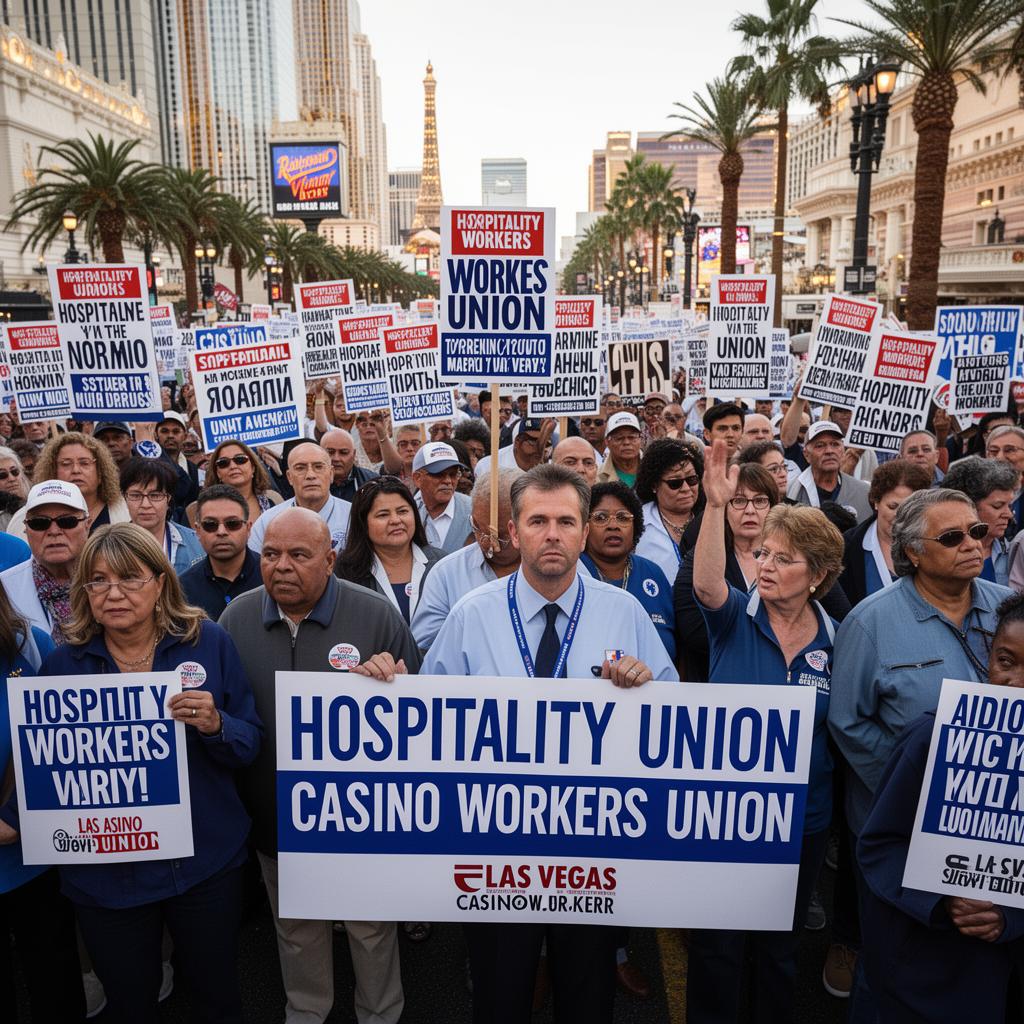
The 2008 financial crisis brought private equity firms into Las Vegas casino ownership, creating new challenges for the Culinary Union as it confronted operators with different priorities than traditional gaming companies.
The Post-Crash Landscape
When property values collapsed after 2008, distressed casino assets attracted private equity buyers. Firms like Apollo Global Management and TPG Capital acquired properties at steep discounts, often loading them with debt to finance the purchases.
Different Incentives
Private equity operators prioritize short-term returns for investors over long-term property development. This model conflicts with union priorities: healthcare benefits, pension contributions, and staffing levels that private equity sees as costs to be cut.
The Station Casinos Example
Station Casinos, owned by Red Rock Resorts (itself controlled by the Fertitta family with private equity backing), has been the union's primary adversary. Decades of organizing attempts at locals-focused Station properties have met fierce resistance.
"Private equity treats workers as line items to be optimized. We treat them as families to be protected."— Culinary Union statement
Ongoing Struggles
The conflict between labor and private equity continues to shape Las Vegas employment. As more properties fall into private equity hands, the union faces its greatest challenge since the corporate takeover of the 1970s.