The REIT Revolution (2013–Present) fundamentally altered the ownership structure of Las Vegas. Moving away from vertical integration, the industry adopted an OpCo/PropCo model, separating casino operations from real estate ownership.
The Model
Under the new structure, casino companies no longer own their buildings. Instead, Real Estate Investment Trusts (REITs) own the physical properties and lease them back to operators. This unlocks real estate value, reduces corporate debt, and exploits tax advantages inherent to REIT structures.
The New Landlords
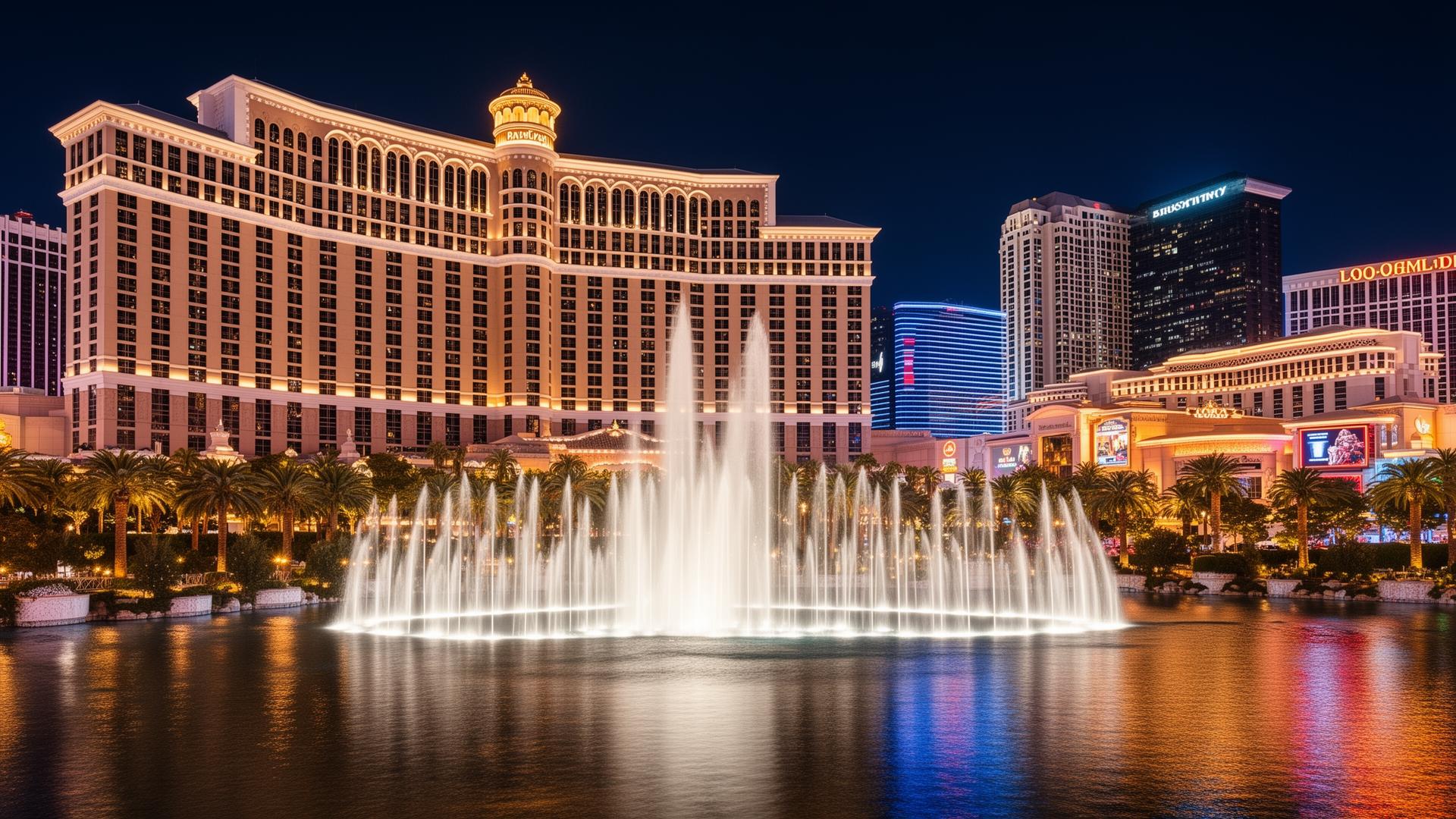
VICI Properties (spun off from Caesars) and Blackstone emerged as the dominant landlords of the Strip, owning the physical assets of the Bellagio, Venetian, Caesars Palace, and MGM Grand. The actual casino operators are now tenants.
Consolidation
This financialization facilitated massive consolidation, most notably the Eldorado-Caesars merger, leaving the Strip dominated by two operator giants: MGM Resorts and Caesars Entertainment. Smaller operators have been absorbed or marginalized.
The Trade-Off
While this "asset-light" strategy provided operators with liquidity, it burdened them with substantial, fixed triple-net lease obligations, fundamentally changing the risk profile of the Las Vegas gaming industry. The Strip's operators no longer own the Strip.