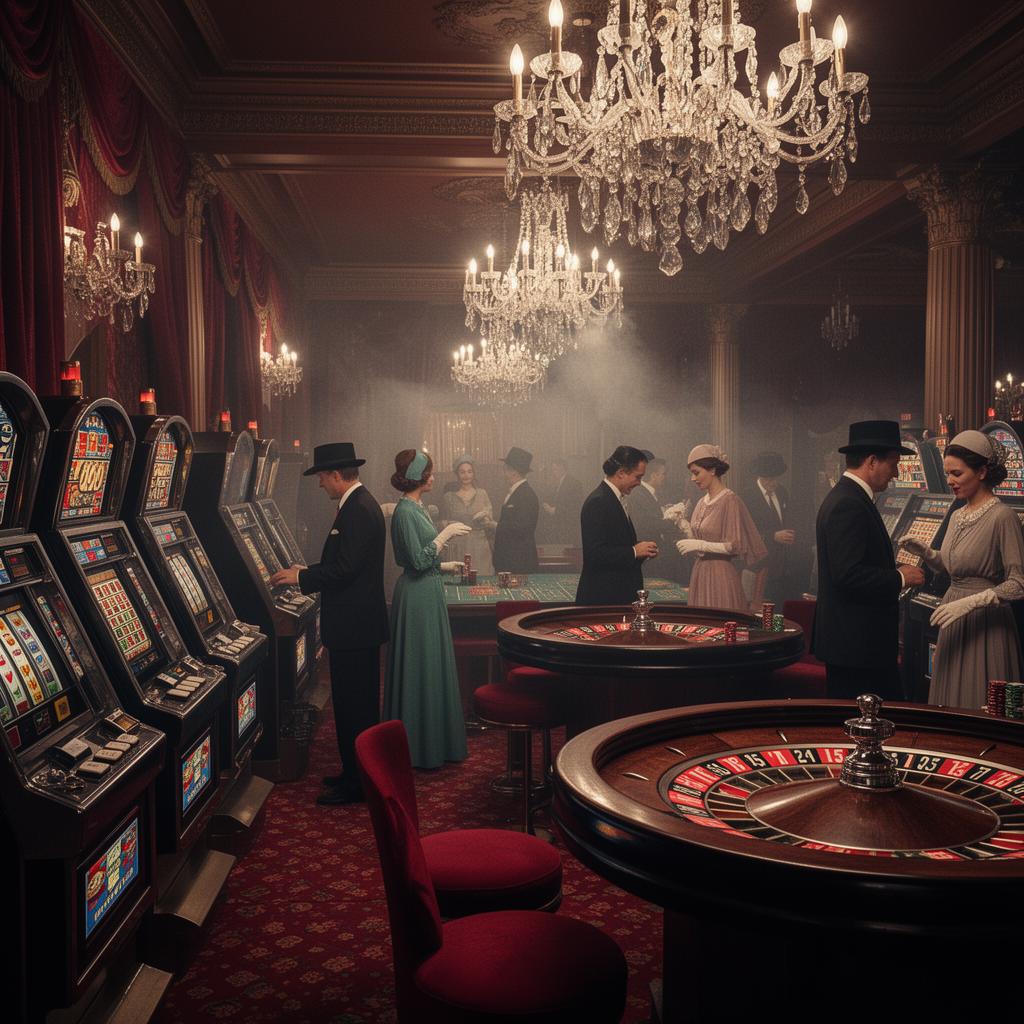
The 1960s and 70s saw Las Vegas caught between two worlds: the declining but still powerful mob influence and the rising tide of corporate legitimacy. The transition was neither smooth nor complete until regulatory and legal forces made the outcome inevitable.
Parallel Structures
By 1966, Las Vegas operated under dual power structures. Howard Hughes was buying properties with legitimate capital while mob-controlled casinos continued skimming operations. The Gaming Control Board was becoming more aggressive while loopholes remained.
The Corporate Advantage
Corporations brought advantages the mob couldn't match: access to public capital markets, professional management, and institutional legitimacy. As properties grew larger and more expensive, the mob's cash-based financing model became inadequate.
The Holdouts
Mob-connected properties like the Stardust, Tropicana, and Fremont held on through the 1970s, even as the regulatory noose tightened. The skim continued, generating millions for organized crime families despite increasing federal attention.
The Final Chapter
The Stardust skimming prosecution and the 1986 murders of Tony and Michael Spilotro marked the end. By 1990, mob influence in Las Vegas gaming was essentially extinct—replaced by publicly traded corporations answerable to Wall Street.