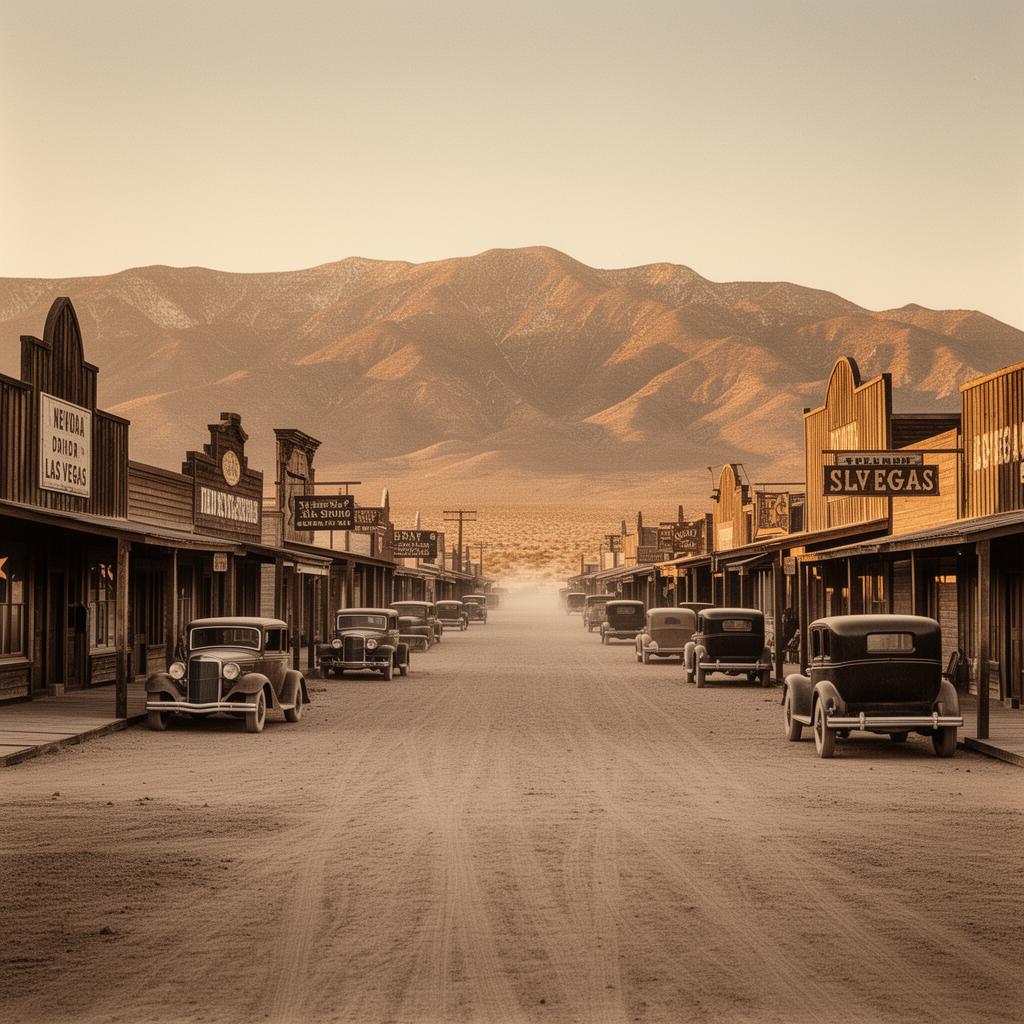
Las Vegas exists in defiance of geography. Built in the Mojave Desert, the city receives barely four inches of rain annually yet hosts 40 million visitors per year. Its survival depends entirely on the politics of Colorado River water.
The 1922 Compact
The Colorado River Compact divided water rights among seven states. Nevada, with its tiny population and minimal political clout, received the smallest allocation: just 300,000 acre-feet annually—a mere 2% of the river's flow. This seemingly adequate allocation would become a crisis as the city grew.
The Southern Nevada Water Authority
Established in 1991, the Southern Nevada Water Authority (SNWA) became one of the most aggressive water agencies in America. Under Patricia Mulroy's leadership, SNWA pioneered conservation mandates, water banking agreements, and innovative "return-flow credits" that allowed the region to recycle treated wastewater.
The Third Intake
As Lake Mead's levels dropped dramatically, SNWA constructed a $1.5 billion "Third Intake" tunnel beneath the lake floor, ensuring water access even if the reservoir dropped below previous intake levels. Completed in 2015, it represented engineering at the scale of the Hoover Dam itself.
The Ongoing Crisis
Climate change and overallocation continue to strain the Colorado River system. Las Vegas has reduced per-capita water use by 40% since 2000 while adding 750,000 residents—a remarkable conservation achievement. But the fundamental math remains challenging: more people, less water.