On March 19, 1931, Governor Fred Balzar signed Assembly Bill 98, legalizing casino gambling in Nevada. This decision, born of economic desperation during the Great Depression, would eventually create a multi-billion dollar industry.
Legalizing the Underground
Gambling had never truly stopped in Nevada—it had simply gone underground after the 1910 ban. The 1931 legislation was pragmatic: rather than fight an unwinnable war against human nature, the state would tax and regulate an existing economy. The first licenses cost just $25 monthly.
The Hoover Dam Effect
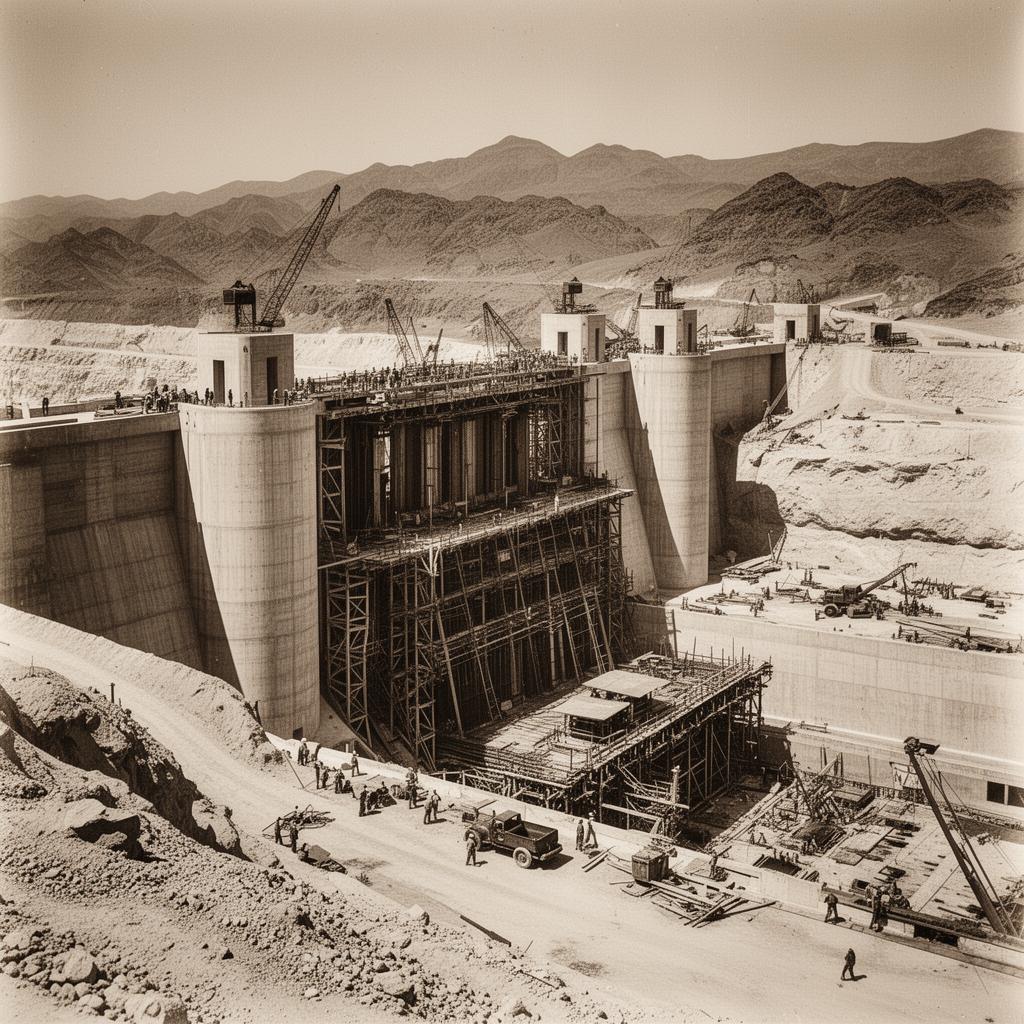
The timing proved fortuitous. Construction of the Hoover Dam (1931-1936) brought 5,000 workers to the region, each with steady government paychecks. But the federal government banned gambling and alcohol in Boulder City, the company town built for dam workers. This created a perfect economic geography: workers earned in Boulder City and spent in Las Vegas.
A Dual Economy Emerges
The 1931 legislative session simultaneously reduced divorce residency requirements to six weeks, creating a dual economy of migratory divorce seekers and dam workers. The streets of Las Vegas began to bustle with people from all walks of life, each with their own story to tell.
The Regulatory Framework
The initial regulatory framework for gaming was decentralized, with county-level licensing and flat fees rather than a percentage of Gross Gaming Revenue. This lack of centralized oversight allowed the industry to flourish rapidly but laid the groundwork for future problems—the absence of strict regulations created an environment in which organized crime could infiltrate and exert its influence.