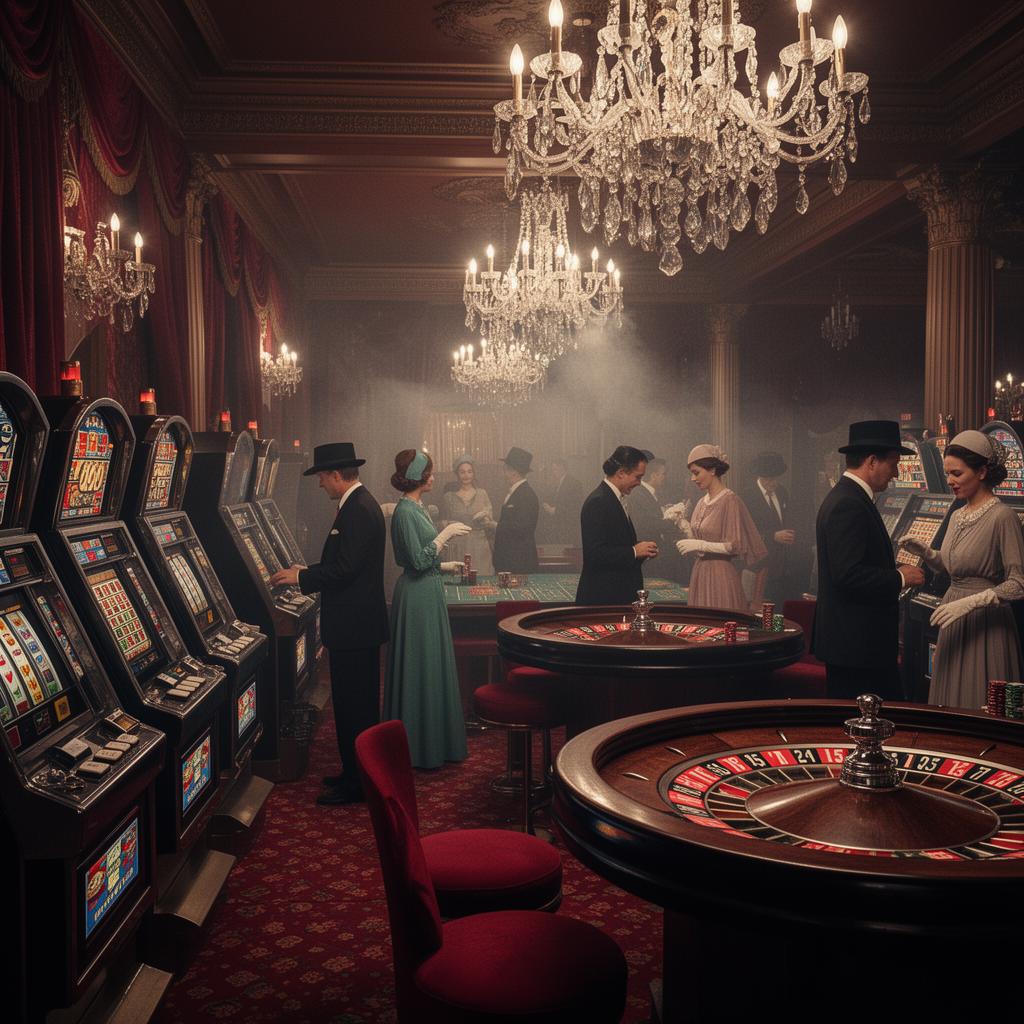
Las Vegas has a rich history that intertwines with the psychology of game design and addiction mechanics. As we delve into this topic, we explore how casinos have evolved to maximize player engagement—and the consequences of that evolution.
Addiction by Design
In the 1960s, casinos began to incorporate psychological principles into their game designs to increase player engagement and, ultimately, revenue. This marked the beginning of a new era in gambling, where games were crafted to keep players hooked.
Key Mechanisms
Several key psychological mechanisms contribute to the addictive nature of casino games: Variable Reward Schedules (rewards at unpredictable intervals), Loss Aversion (the fear of losing drives continued play), and Social Interaction (casinos foster community around gambling).
The Dark Side
As the years passed, the consequences of these design choices became apparent. Players became trapped in cycles of addiction, pouring their savings into machines, and sacrificing their relationships and well-being.
The Tension
The psychology of game design and addiction mechanics in Las Vegas is a complex topic. By understanding these mechanisms, we can work towards creating a safer, more responsible gaming environment—though the financial incentives point in the opposite direction.