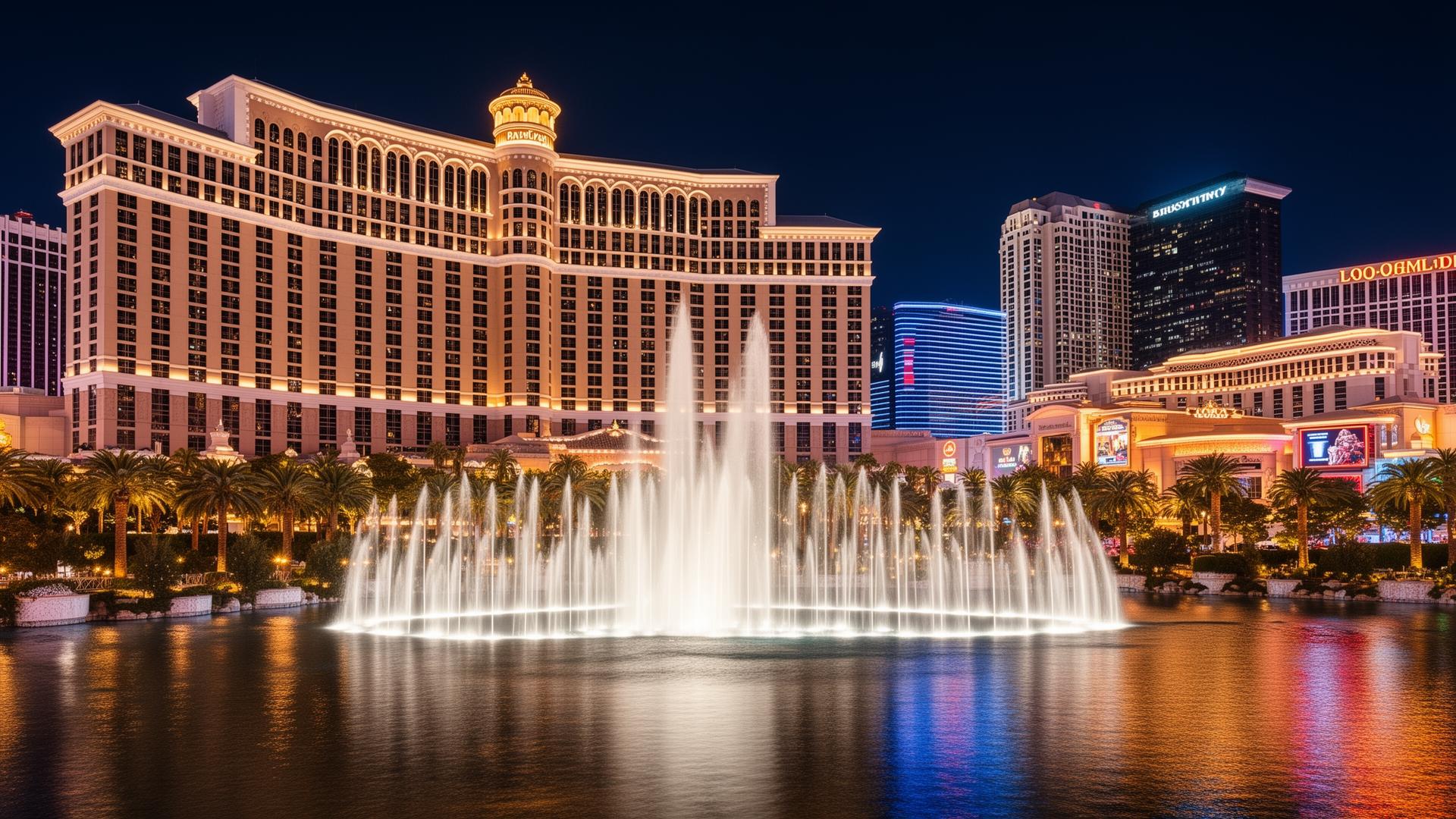
The integrated resort—a self-contained destination combining gaming, hospitality, entertainment, dining, retail, and convention space—became the dominant form of casino development after The Mirage proved its viability in 1989.
The Mirage Model
Steve Wynn's Mirage was the first resort where non-gaming amenities were designed as profit centers rather than loss leaders. The volcano, the dolphin habitat, the Siegfried & Roy show—all generated revenue or justified premium room rates. The casino subsidized nothing.
Non-Gaming Profit Centers
The integrated resort model shifted revenue composition. Modern Strip properties derive 60-70% of revenue from non-gaming sources: hotel rooms, food and beverage, entertainment, nightclubs, and retail. The casino remains important but is no longer dominant.
Vertical Integration
Architecturally, integrated resorts stack amenities vertically to maximize land utilization. A single property might include a casino podium, hotel tower, convention center, theater, parking structure, and retail mall—all interconnected to encourage flow between venues.
The CityCenter Culmination
The $9.2 billion CityCenter project (2009) represented the integrated resort concept at maximum scale: multiple hotels, residences, a casino, retail, and public art—all organized as a mini-city. Its completion during the Great Recession marked both the apex and the pause of the building boom.