The Celebrity Chef Phenomenon (1992–Present) marks the transition of Las Vegas dining from a subsidized "loss leader" designed to fuel gambling, to a primary profit center and tourism driver.
The Pioneer
Initiated by Wolfgang Puck's Spago (1992) at the Forum Shops, the shift demonstrated that visitors would pay premium prices for name-brand dining. The $2.99 prime rib buffet was no longer the only option.
The Bellagio Effect
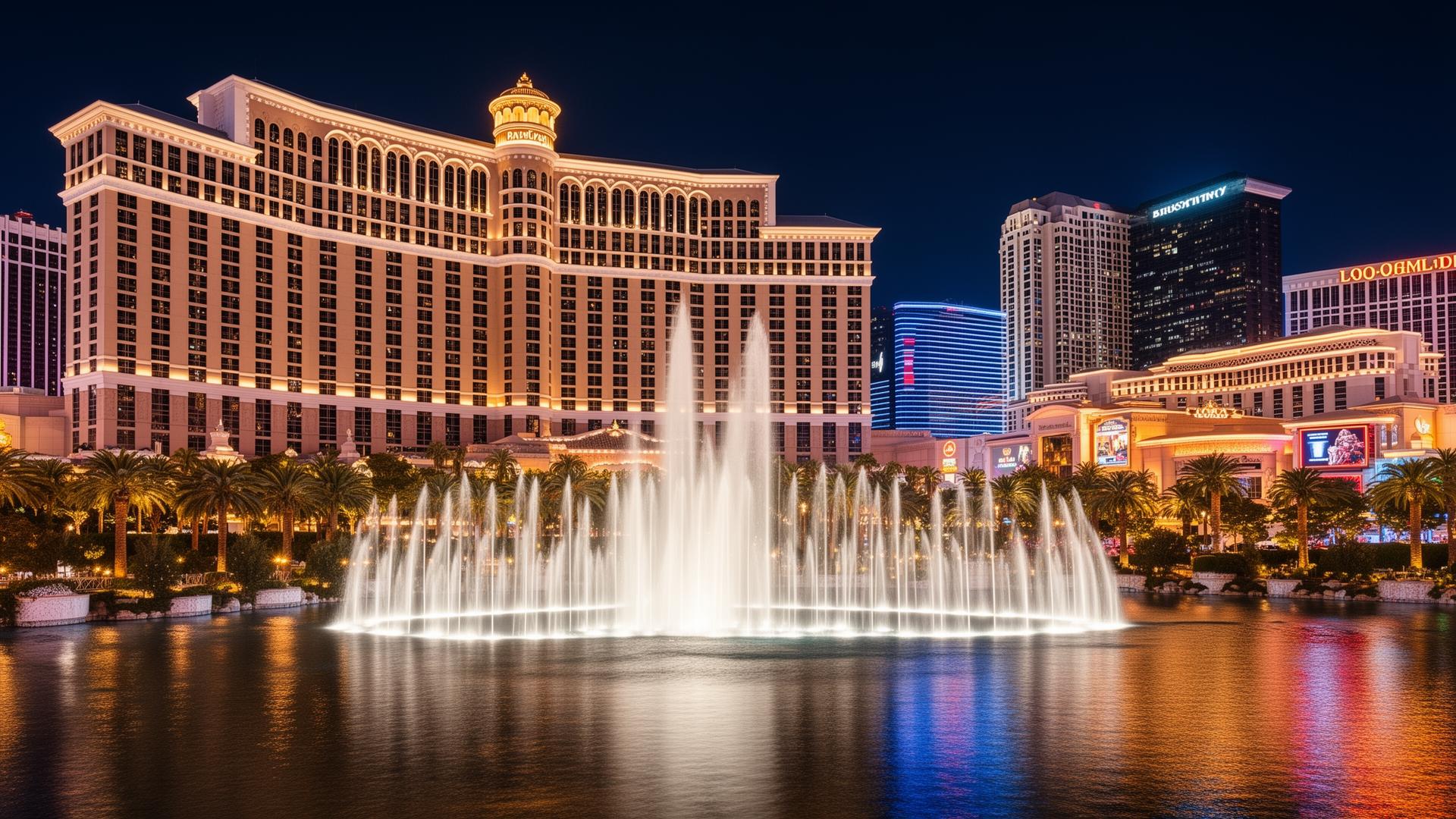
Institutionalized by Steve Wynn's Bellagio (1998), operators replaced generic casino eateries with licensed brands from globally renowned chefs like Joël Robuchon and Alain Ducasse. The restaurant became an amenity as important as the casino.
The TV Chef Era
Post-2008, the model evolved toward mass-market "TV Chefs" (e.g., Gordon Ramsay, Guy Fieri), prioritizing brand recognition and scalability over exclusive fine dining. You didn't need a Michelin star—you needed a television show.
The Non-Gaming Flip
Economically, this shift contributed to the "Non-Gaming Revenue Flip," where F&B and hotel spend now often exceed casino winnings on the Strip. The current landscape utilizes these culinary brands as vital intellectual property, anchoring resorts and replacing the traditional buffet with high-margin food halls.