For decades, the Las Vegas buffet was an institution—a loss leader that drew gamblers with abundant, cheap food. COVID-19 didn't just close buffets temporarily; it revealed that the economics had stopped working years earlier.
The Original Bargain
The buffet originated as a casino strategy: fill gamblers with inexpensive food so they'd stay longer and gamble more. The modest losses on food were recovered many times over in gaming revenue. It worked for decades.
The Changing Math
As non-gaming revenue grew more important and celebrity chefs elevated dining expectations, buffets became increasingly anachronistic. Labor-intensive, low-margin, and occupying valuable real estate, they made less sense each year.
The Pandemic Catalyst
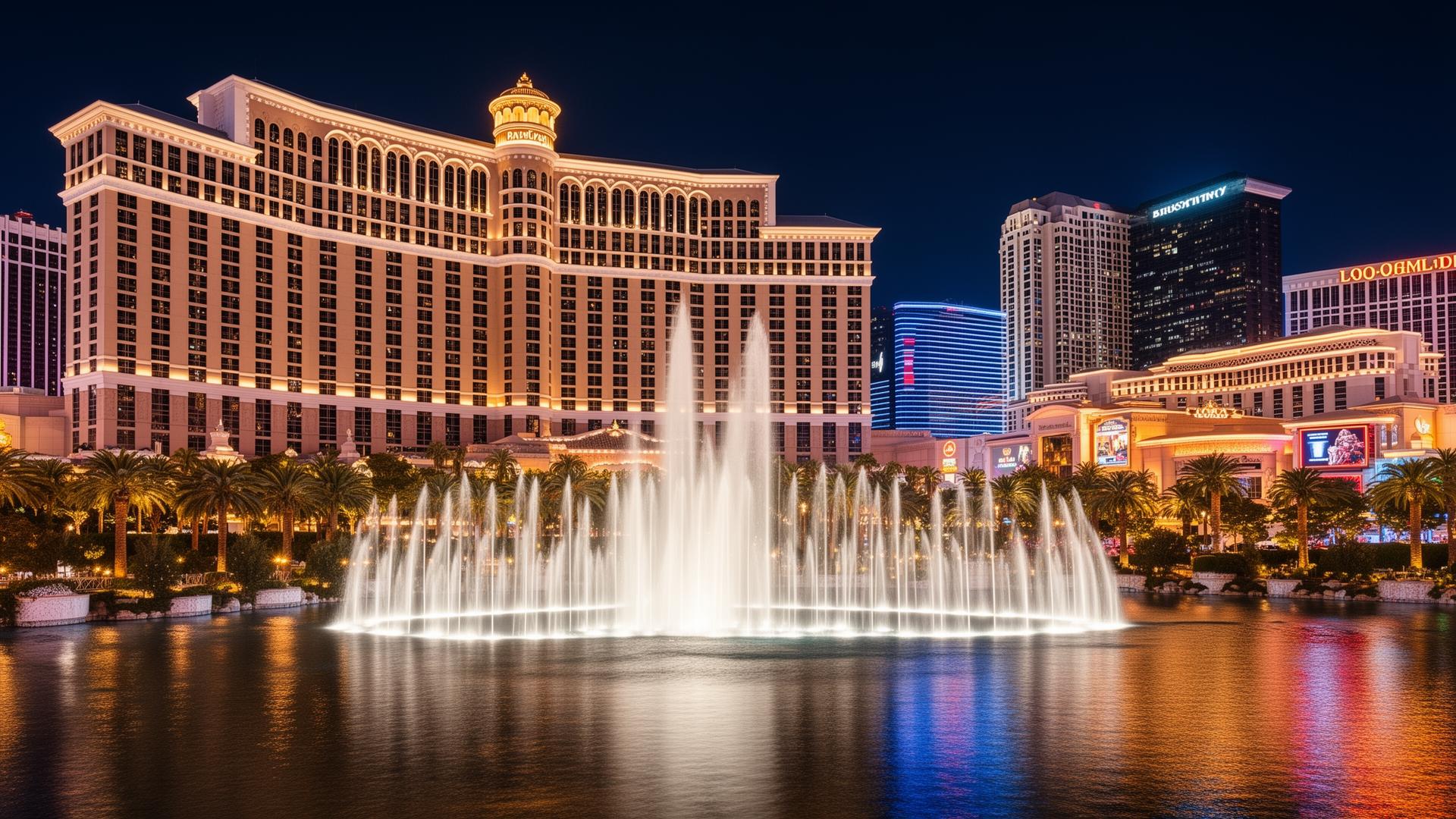
COVID-19 closed buffets and gave operators cover to kill them permanently. MGM closed almost all its buffets; Caesars followed. The Bellagio buffet closed forever. An era ended with little fanfare.
The Food Hall Alternative
Food halls emerged as the replacement: multiple vendors, varied cuisines, no all-you-can-eat expectations. Famous Foods at Resorts World and Block 16 at Cosmopolitan exemplify the model—quality over quantity, profit over tradition.