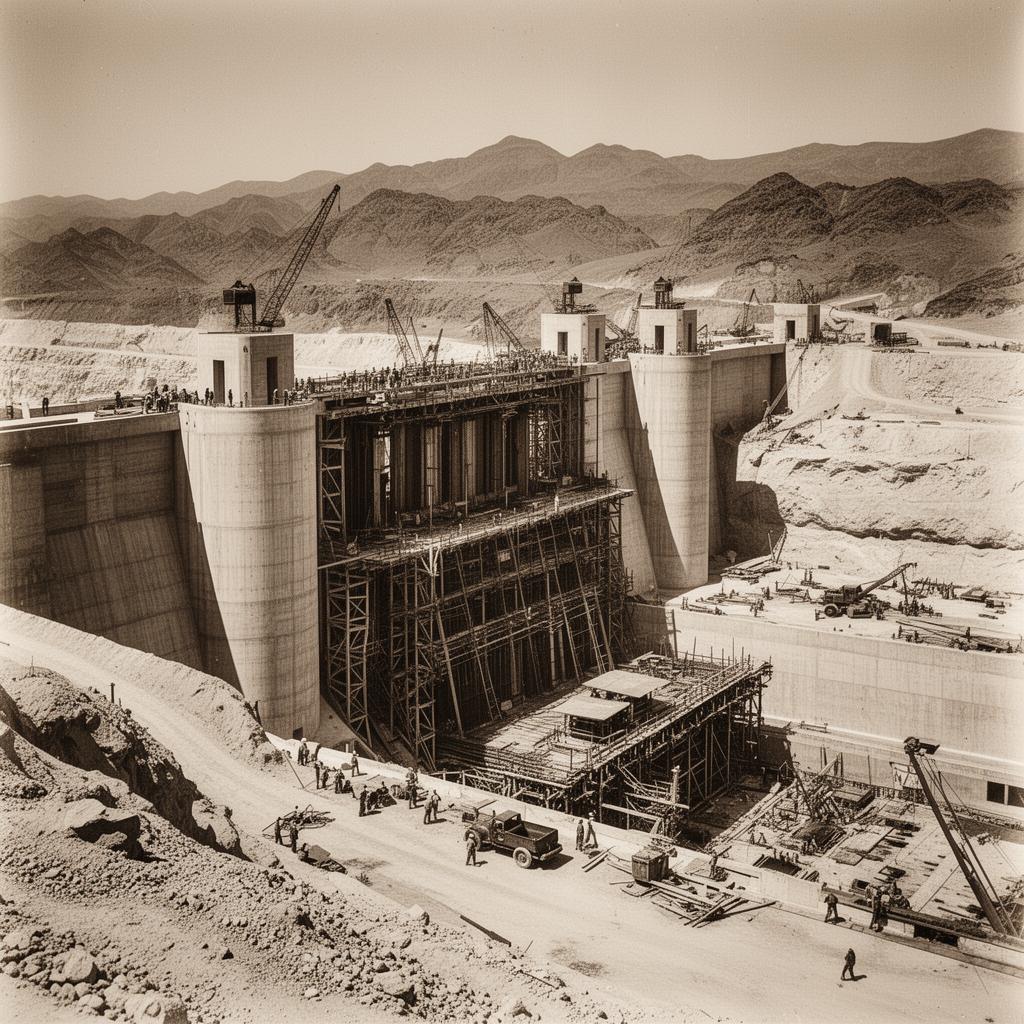
The simultaneous legalization of gambling and construction of Hoover Dam in 1931 created the perfect conditions for Las Vegas growth—a captive workforce with steady paychecks and nowhere else to spend them.
The Dam Workers
Hoover Dam construction employed up to 5,000 workers at a time, paying steady government wages during the Depression. But the federal government banned gambling, alcohol, and prostitution in Boulder City, the company town built for workers.
The Geographic Gift
Las Vegas sat just 30 miles from the dam site—close enough for workers to visit on days off, far enough to escape federal jurisdiction. The town's economy reorganized around extracting money from dam workers through gambling, drinking, and other entertainments.
The Infrastructure Legacy
The dam's electrical power would later fuel the Strip's air conditioning and neon lights. The roads built for dam construction improved Las Vegas's accessibility. The dam created Lake Mead, adding a recreational attraction to the region.
"Without Hoover Dam, Las Vegas might have died in the Depression. Instead, we had 5,000 customers with government checks."— Local historian
The Twin Foundations
These parallel 1931 developments—legal gambling and federal construction—established the pattern that would define Las Vegas: an economy based on extracting money from visitors, whether dam workers or tourists.