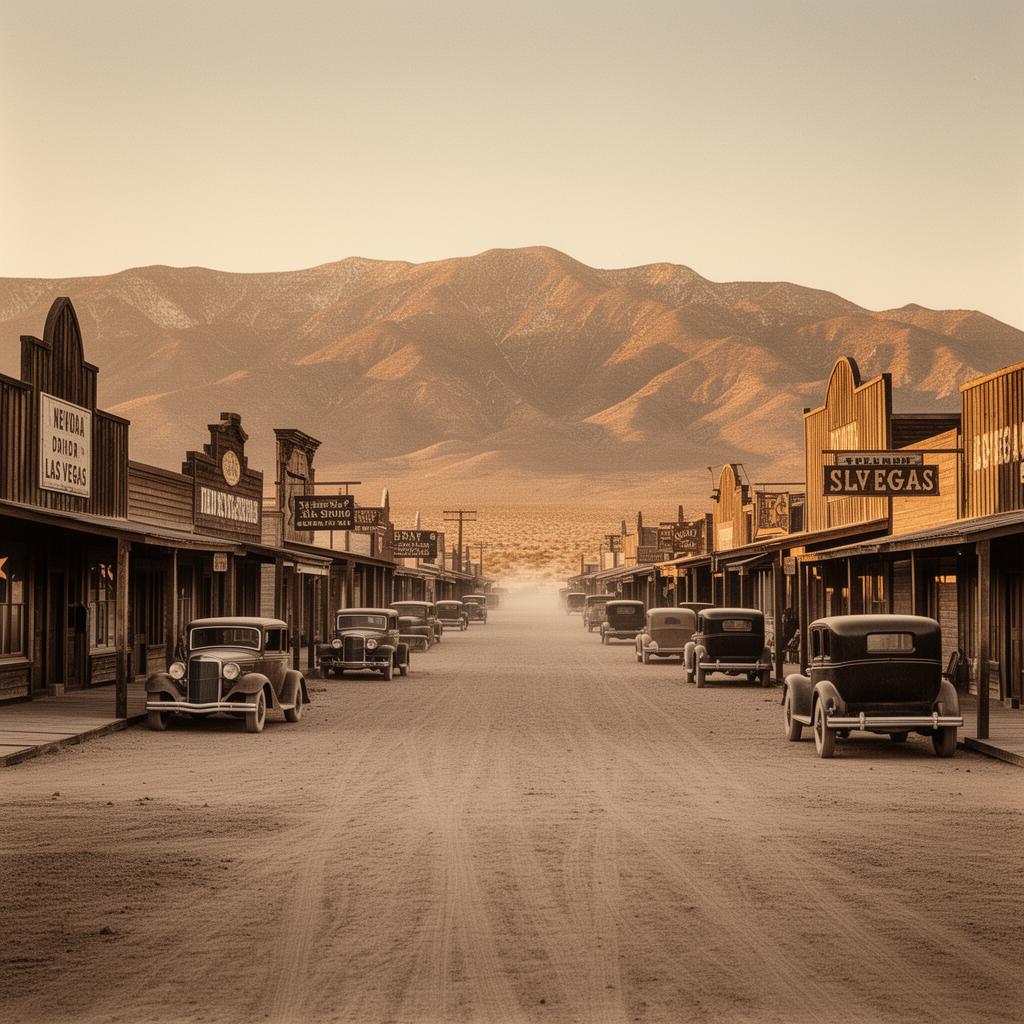
Block 16 (1905–1942) was the designated "Red Light District" of early Las Vegas, established during the original townsite auction to contain liquor sales and prostitution away from legitimate businesses.
A Calculated Strategy
Rather than attempting the impossible task of eliminating vice, Las Vegas founders created a tolerance zone. This pragmatic approach acknowledged human nature while protecting the city's "respectable" businesses from the stigma of proximity to brothels and saloons.
Economic Engine
The district functioned as a critical economic engine for the early city. Periodic "fines" served as de facto licensing fees, funding municipal infrastructure like paving, policing, and street lighting. In a sense, Las Vegas was built on vice taxes before it had legal gambling.
The Arizona Club
At the district's apex stood the Arizona Club, an opulent establishment offering gambling, drinking, dining, and companionship. It represented a template for the integrated entertainment venue that would later define Las Vegas—all human pleasures under one roof.
Federal Intervention
World War II brought the end of Block 16. The U.S. military, concerned about venereal disease among soldiers, threatened to declare Las Vegas off-limits. Faced with losing the lucrative military trade, the city shuttered the district in 1942.