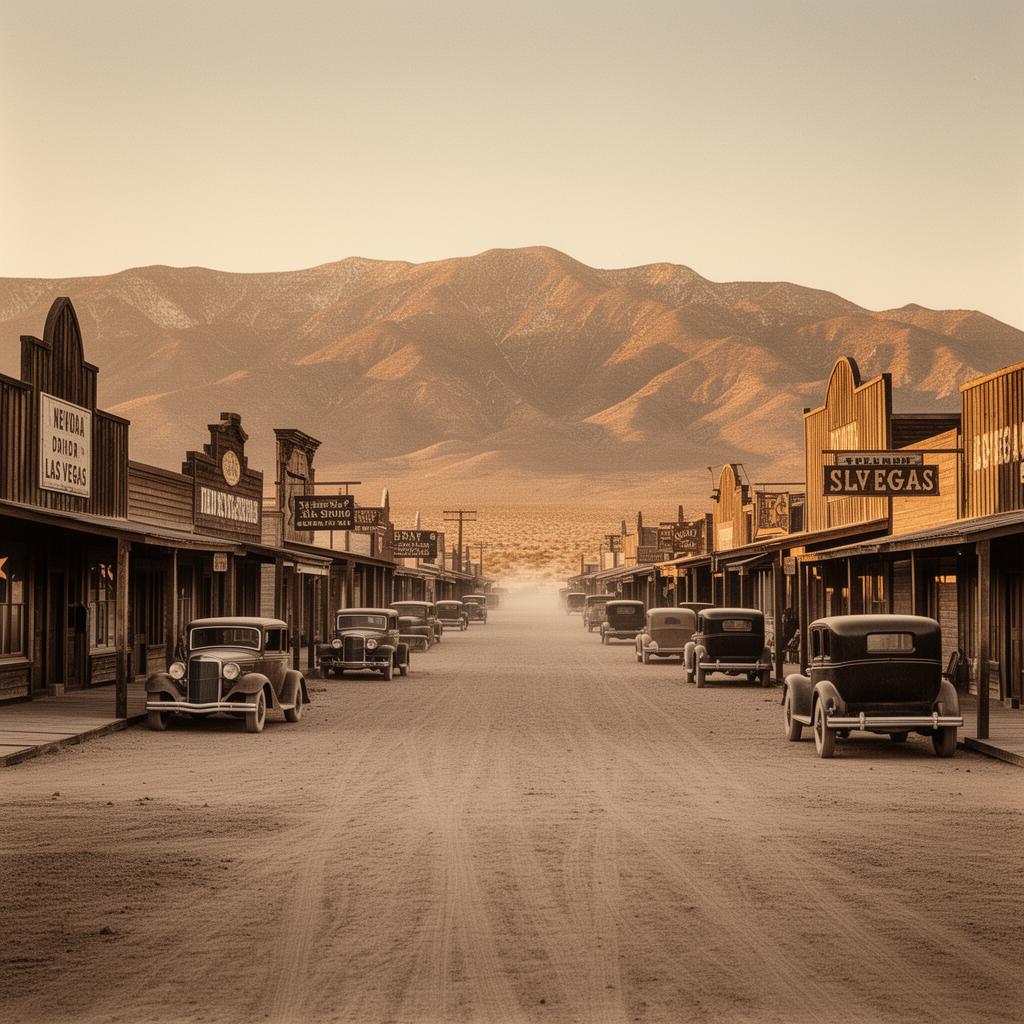
Block 16 (1905–1942) served as the designated red-light district of early Las Vegas, established through a containment strategy by railroad developers. It functioned as a critical economic engine for the early city, with licensing fees and fines from prostitution and gambling funding municipal infrastructure like paving and policing.
The Tolerance Zone
Rather than suppressing vice, the city utilized a periodic fine system, effectively taxing illegal activities to fund municipal infrastructure. The district ranged from cheap "cribs" to the opulent Arizona Club, operating openly even during Prohibition.
Class Hierarchy
The district was characterized by a rigid class hierarchy. At the top was the Arizona Club, a multi-story establishment with fine dining, gambling, and high-end prostitution. At the bottom were the squalid "cribs"—small rooms where women worked for subsistence wages.
The May Act and Closure
The district was dismantled in 1942 following an ultimatum from the U.S. Army (under the May Act), which threatened to blacklist the city from military personnel due to venereal disease risks. The city prioritized the economic benefit of the military base over the district, leading to the closure of Block 16.
Legacy
The closure of Block 16 and the migration of gambling to Fremont Street marked a pivotal moment in Las Vegas history—the city was beginning its transformation from frontier town to tourist destination.