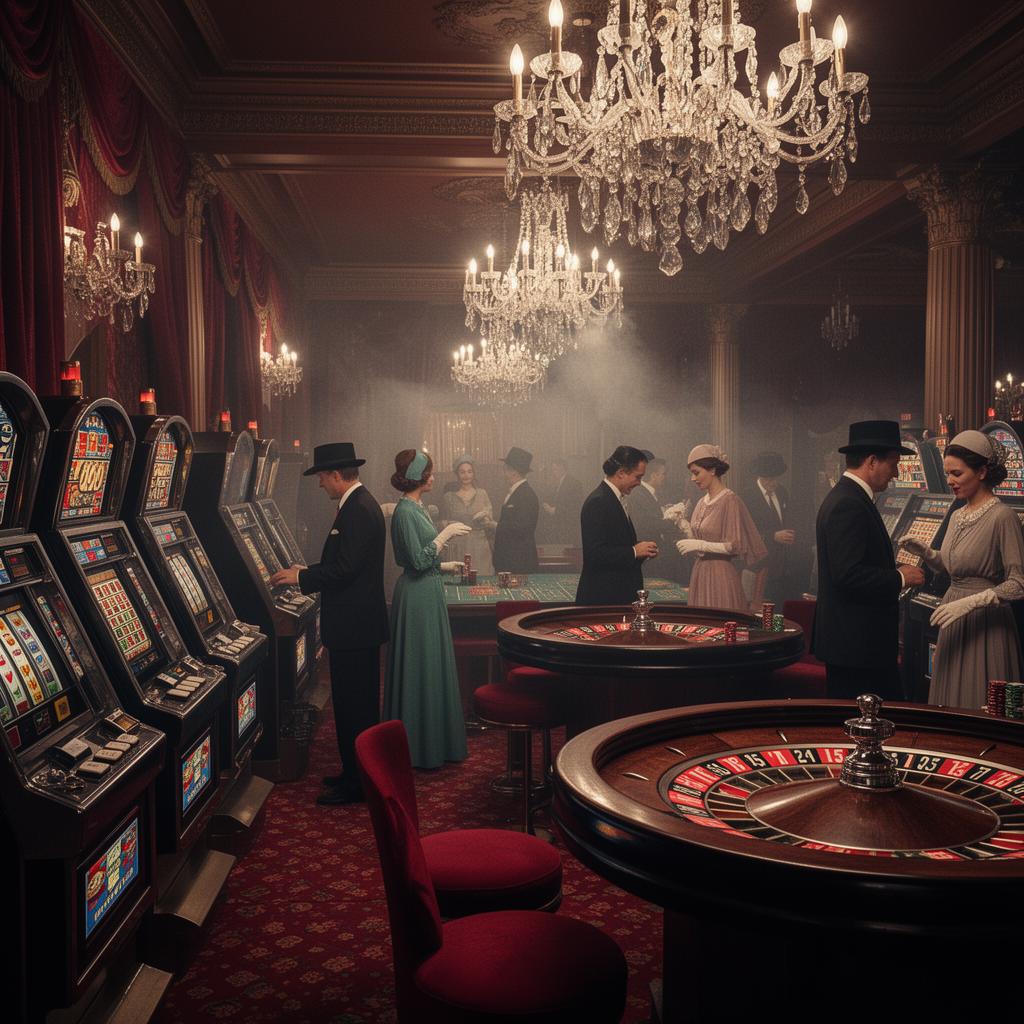
From 1946 to 1970, the Las Vegas Strip was financed primarily by organized crime due to a lack of access to legitimate Wall Street capital. The Teamsters Central States Pension Fund, managed by Jimmy Hoffa and Allen Dorfman, served as the de facto bank for the industry.
The Capital Problem
In the postwar era, legitimate banks wouldn't touch casino projects. The combination of gambling's stigma and the requirement to license every shareholder made traditional financing impossible. This created a void that organized crime was happy to fill.
The Teamsters Bank
The Teamsters Central States Pension Fund became the Strip's primary lender, providing hundreds of millions of dollars to build iconic properties like The Dunes, Stardust, and Caesars Palace. In exchange, the mob received both interest payments and hidden ownership stakes.
The Skim
The return on this investment was realized through "The Skim"—the systematic theft of unrecorded revenue from the casino count rooms. Cash flowed back to crime families in Chicago, Kansas City, and New York, untaxed and untraceable.
The Transition
This era ended with the passage of the Corporate Gaming Act of 1969, which allowed public corporations to own casinos, and the entry of Howard Hughes, facilitating the transition from illicit syndicate financing to legitimate corporate capital.