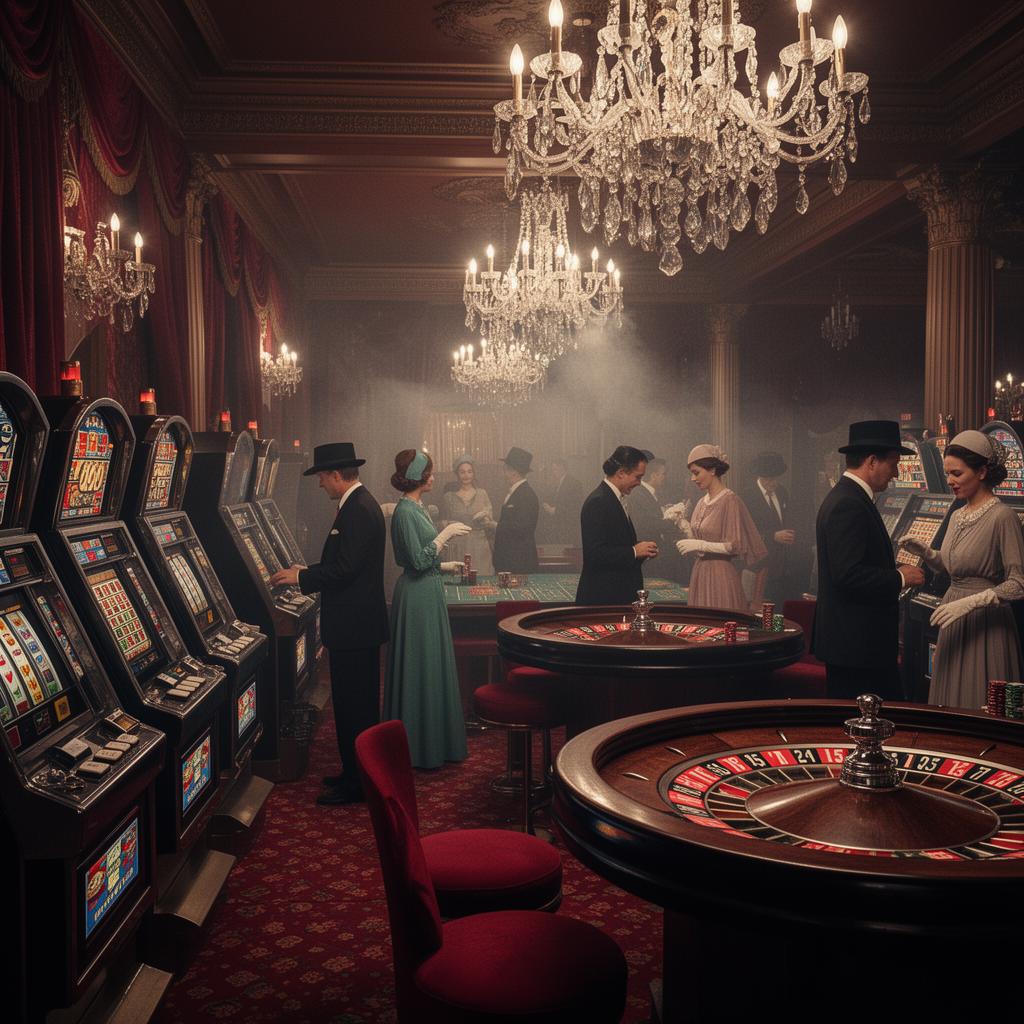
From the mid-1950s to the late 1970s, the Teamsters Central States Pension Fund (CSPF) served as the de facto central bank for the Las Vegas Strip. Because traditional Wall Street lenders redlined the gambling industry, Jimmy Hoffa and his associate Allen Dorfman utilized the pension fund to issue high-risk loans to casino developers.
Filling the Void
When legitimate banks refused to lend to casinos, the Teamsters stepped in. The Central States Pension Fund, flush with contributions from truckers across America, became the Strip's primary source of construction capital.
The Properties
This capital financed iconic properties including Caesars Palace, The Dunes, The Stardust, and Circus Circus. Without Teamsters money, the modern Strip simply wouldn't exist—for better or worse.
The Price
In exchange for this liquidity, organized crime syndicates (specifically the Chicago Outfit and Kansas City mob) exerted influence over casino operations, facilitating "the skim" of untaxed gambling revenue. The pension fund wasn't just a bank—it was a tool for mob control.
The End
The era ended with the passage of ERISA (1974) and a 1982 federal Consent Decree, which stripped the Teamsters of asset management control and transferred oversight to independent fiduciaries, paving the way for the entry of corporate capital.