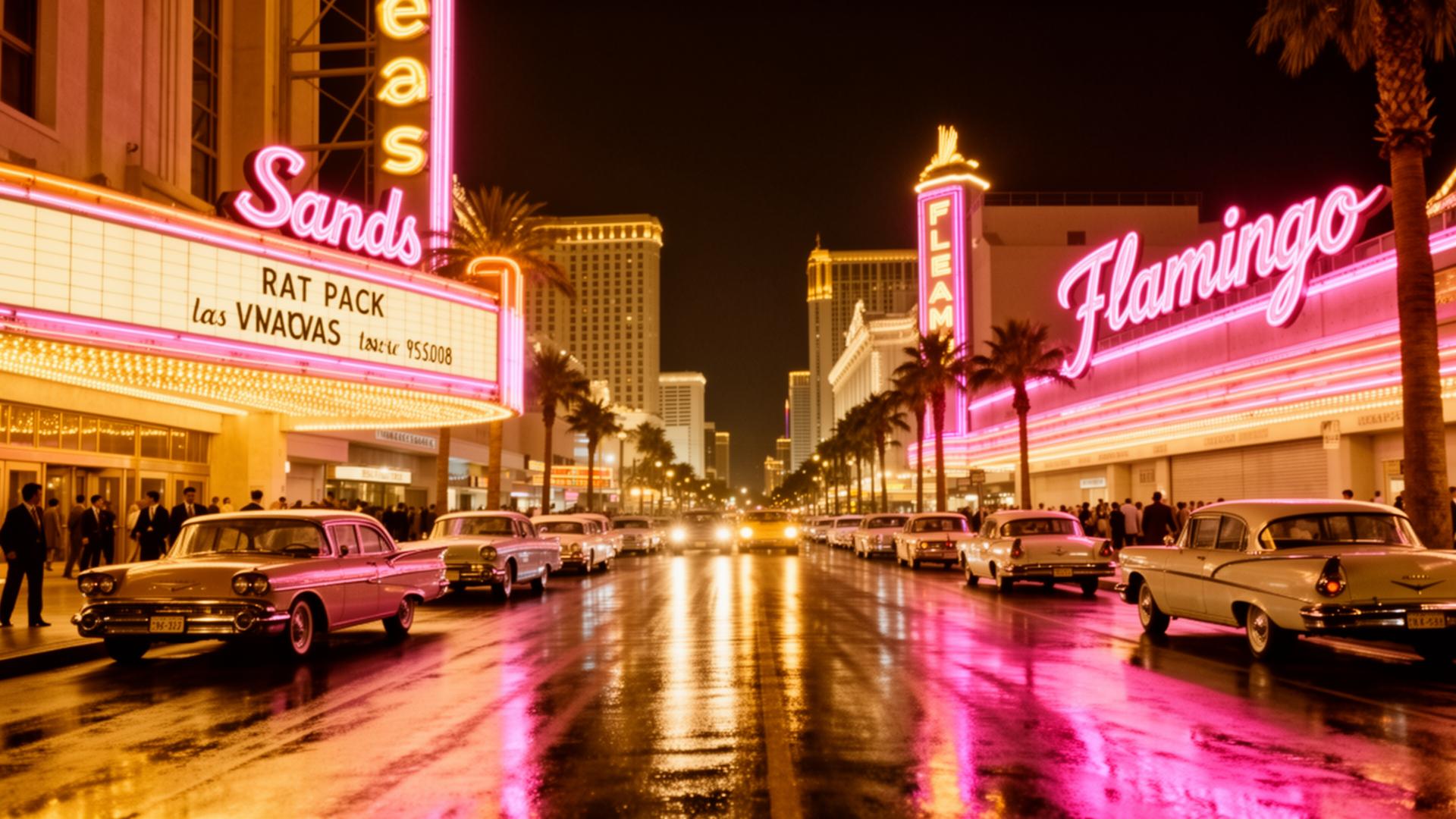
The arrival of Hilton and Ramada in the early 1970s represented a watershed moment: for the first time, major American hotel corporations were willing to associate their brands with casino gambling. Their entry legitimized the industry for Wall Street.
The Hilton Acquisition
In 1970, Hilton Hotels Corporation acquired Kirk Kerkorian's International Hotel and Flamingo, becoming the first major hotel chain to own casinos. CEO Barron Hilton faced significant board opposition, with some directors fearing brand contamination from gambling association.
The Ramada Entry
Ramada Inns followed in 1972, acquiring the Tropicana. Like Hilton, Ramada was betting that the stigma of casino ownership was fading. Both companies saw Nevada as an opportunity to add high-margin gaming revenue to their lodging businesses.
The Corporate Gaming Act Impact
These entries were enabled by the Corporate Gaming Act of 1969, which allowed publicly traded companies to hold gaming licenses without requiring investigation of every shareholder. This regulatory innovation made institutional investment in casinos practical for the first time.
The Legitimization Effect
Hilton and Ramada brought SEC-level compliance, professional management, and access to public capital markets. Their presence reassured other corporations that casino ownership was respectable. The era of mob financing was definitively ending.