The Kefauver Committee hearings of 1950-1951 brought organized crime into American living rooms for the first time, exposing mob control of Las Vegas casinos and forcing Nevada to create its modern regulatory structure.
Senator Estes Kefauver
Tennessee Senator Estes Kefauver launched the Special Committee to Investigate Crime in Interstate Commerce in 1950. The televised hearings—a novelty at the time—captivated an estimated 30 million viewers as mobsters testified before Congress.
Las Vegas Under the Spotlight
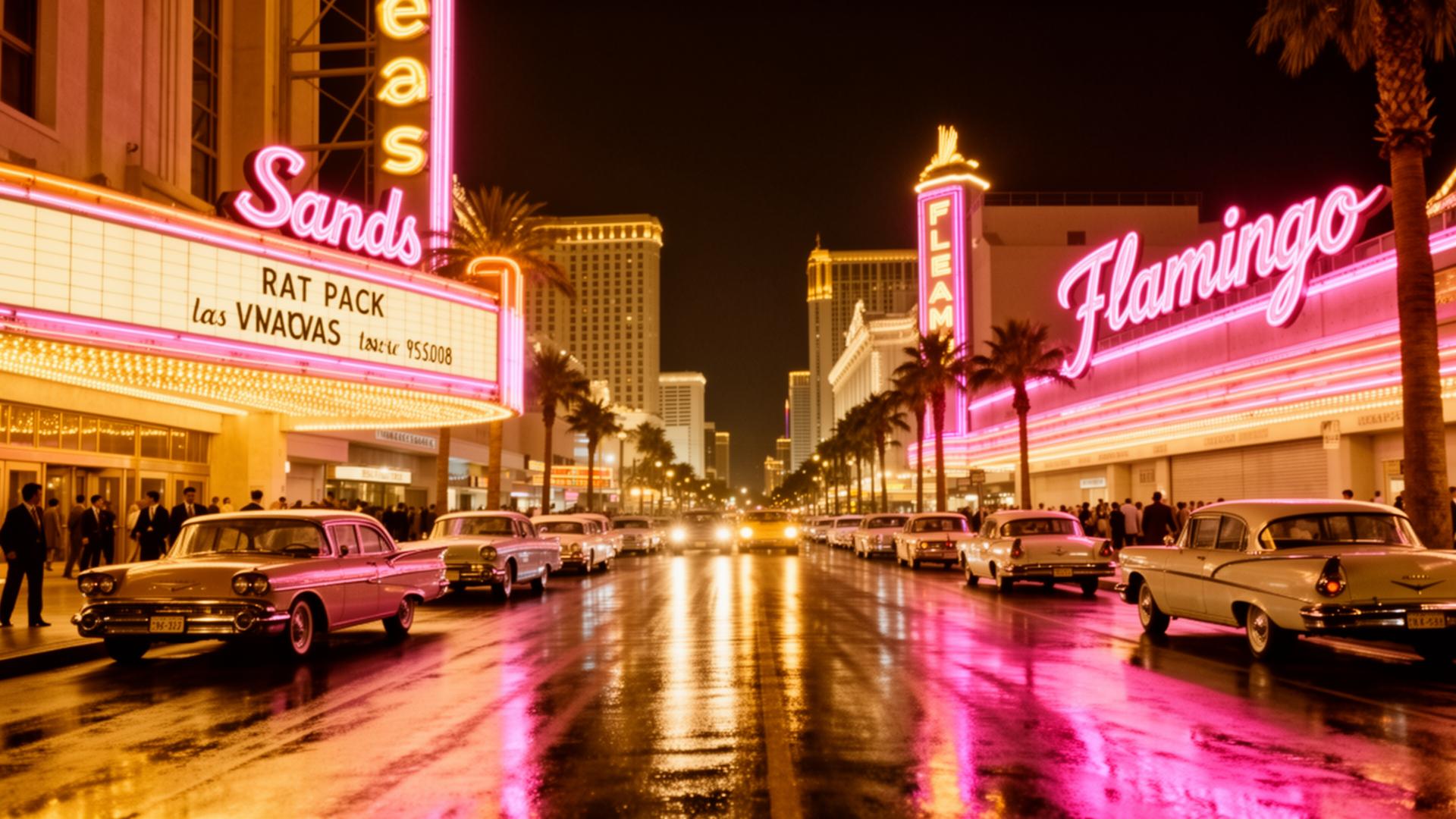
The committee's investigation of Las Vegas revealed what locals already knew: organized crime figures from across the country held hidden interests in major casinos. The Flamingo, Desert Inn, and other properties were shown to be mob-controlled enterprises laundering money and evading taxes.
The Nevada Response
Facing potential federal intervention, Nevada created the Gaming Control Board in 1955 and the Gaming Commission in 1959. These agencies would develop increasingly sophisticated licensing and surveillance capabilities, though the mob's influence would persist for another two decades.
"The Kefauver hearings forced Nevada's hand. We could regulate ourselves or let Washington do it for us."— Former Governor Charles Russell
A Delayed Impact
While the hearings exposed mob control, they didn't immediately end it. The infrastructure for legitimate financing didn't exist yet, and mob money remained the industry's lifeblood. The hearings planted seeds that would take fifteen years to flower in the Corporate Gaming Acts.