The Sawdust Joint, a colloquialism for the early, makeshift casinos that sprouted up in Las Vegas, was more than just a place to gamble—it was an experience that defined pre-war Las Vegas.
The Exterior
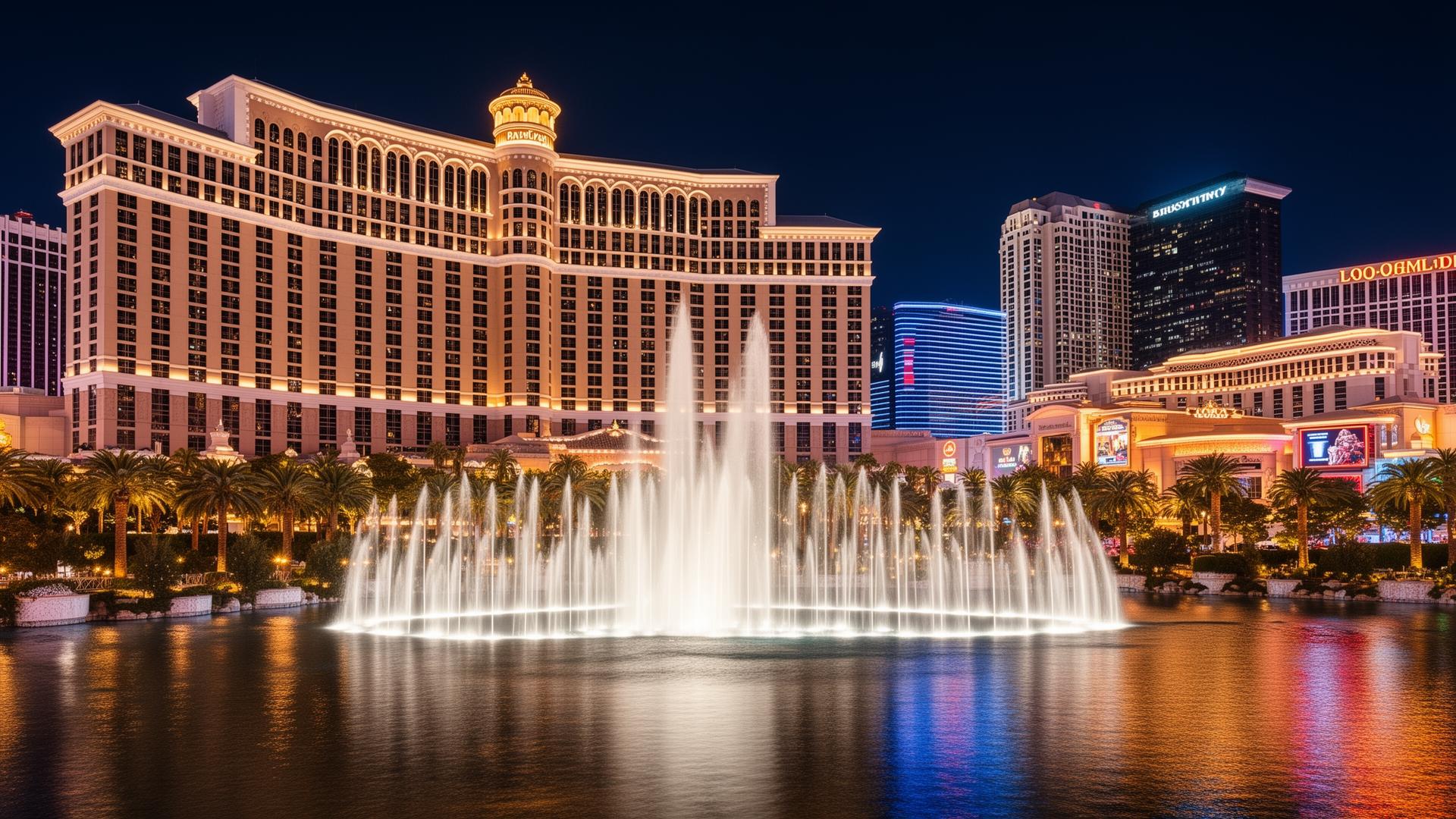
The exterior of a Sawdust Joint was often unassuming, blending into the desert landscape with its simple, functional design. There were no grand entrances, no sprawling fountains, and certainly no neon lights. Simple, hand-painted signs creaked in the desert wind.
Sawdust and Smoke
Upon entering, patrons were immediately enveloped in a world of contrasts. The air was thick with the smell of sawdust (which covered the floors to absorb spills and mud) and the acrid tang of cigarette smoke.
The Gaming Floor
Tables for poker, blackjack, and roulette were often makeshift, constructed from whatever materials were available. The dealers, dressed in their Sunday best, added a touch of professionalism to the otherwise rustic setting.
Legacy
The Sawdust Joint laid the groundwork for the Las Vegas we know today. These early casinos were not just places to gamble; they were community hubs, entertainment venues, and symbols of the American spirit of adventure.