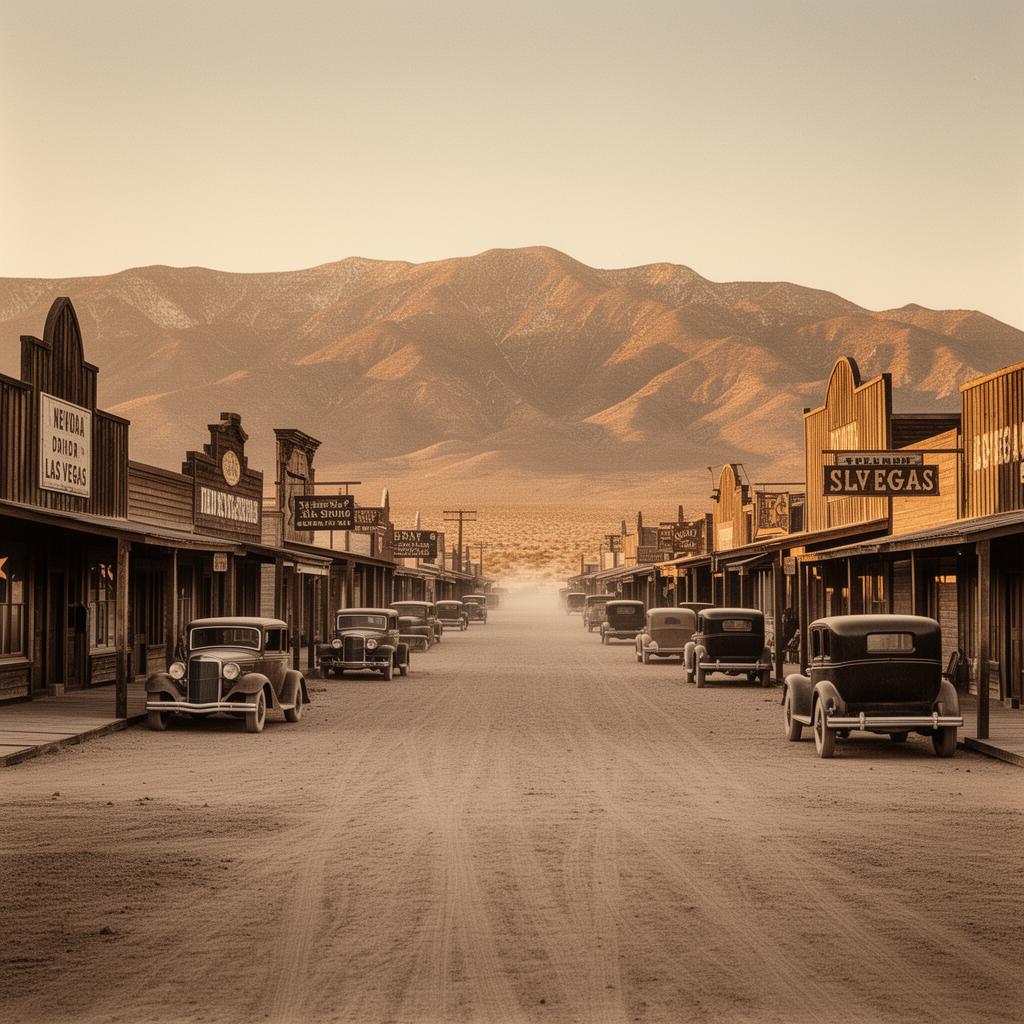
Established in 1934 by the Elks Lodge, Helldorado Days was a strategic marketing initiative designed to brand Las Vegas as a "Wild West" destination to attract Hoover Dam workers and early tourists.
The Manufactured Identity
This manufactured identity softened the stigma of legalized gambling (1931) by wrapping vice in frontier nostalgia. Gambling wasn't seedy—it was authentically Western, part of the American heritage of risk-taking and adventure.
Architectural Influence
The festival's aesthetic directly influenced the architecture of early Strip resorts like El Rancho Vegas and The Last Frontier, establishing the "Sawdust Joint" archetype. Wagon wheels, Western memorabilia, and cowboy themes dominated early casino design.
Immersive Tourism
The event pioneered immersive tourism through its "Kangaroo Courts," forcing visitor participation. Guests who weren't dressed Western might be "arrested" and subjected to mock trials—making everyone part of the show.
The Transition
However, the opening of The Flamingo (1946) marked a pivot toward "Continental" luxury, relegating the Western theme to a secondary role. In the modern era, the event transitioned from a civic tradition to a corporate spectacle managed by the Professional Bull Riders (PBR).